Your business,
on autopilot.
One platform for creating, running and growing your business, powered by AI.
AI Agents for Small Business: Which Lanes to Hand Over First





Last updated: September 2026
Most small businesses hand an AI agent the wrong job first, and then conclude the technology does not work. The instinct is to delegate the thing you hate most. That job is usually the one requiring the most judgment, the least documented process, and the highest cost of being wrong. It fails, and the agent gets blamed for a scoping error.
The jobs that actually pay back are the boring ones you already do on a schedule. They are less satisfying to delegate and far more likely to still be running in six months.
- Start with the most repeatable job, not the most painful one
- Anything leaving the building should draft, not send. Approval is the feature, not the friction
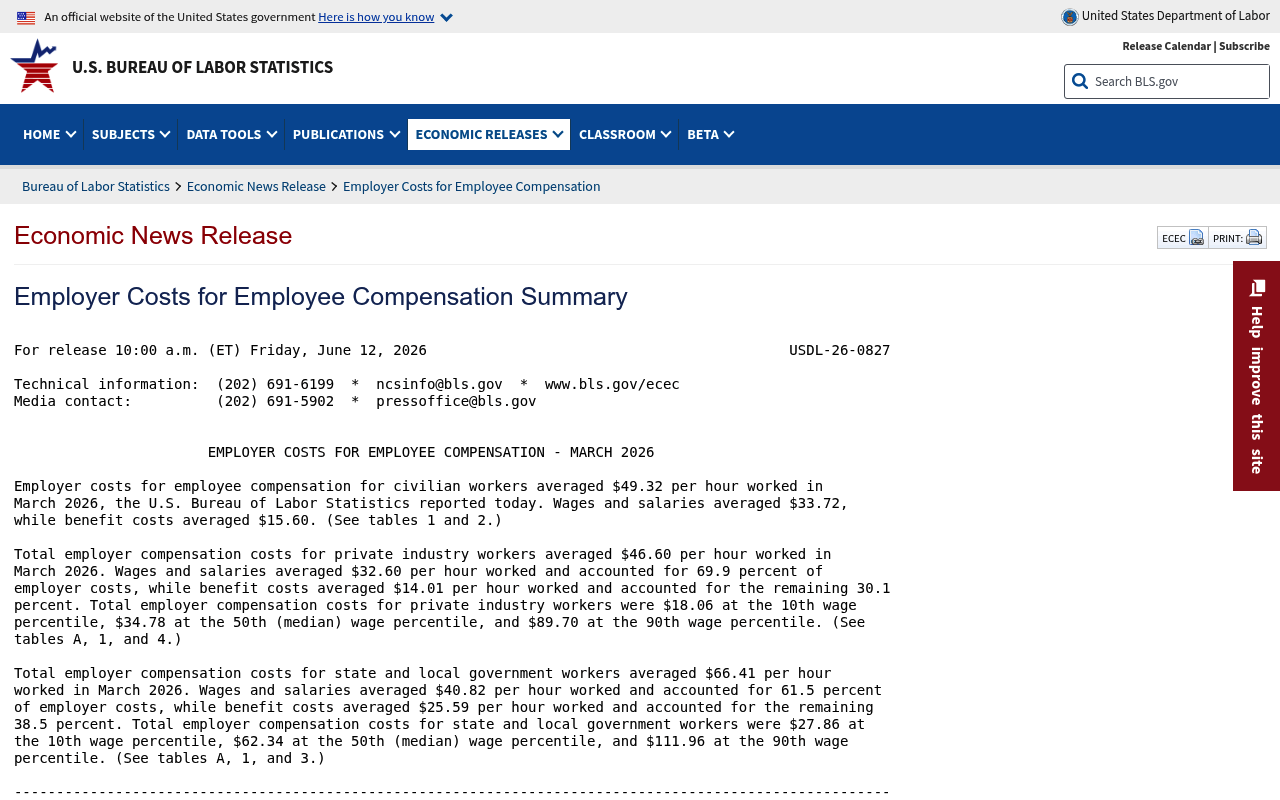
- A hire costs about 43% more than the salary line. BLS puts benefits at 30.1% of total compensation, so agents and hires are not priced on the same axis
- If the process is not written down, you cannot delegate it to software or to a person
What an AI Agent Actually Does for a Small Business
Cutting through the category noise: an AI agent is software that can be given an outcome rather than a click path. It can read your systems, work in a browser, produce a result, and either return it for approval or take an approved action. Some run on a schedule without you.
What that changes for a small business is narrow but real. It absorbs recurring operational work: the weekly report you assemble by hand, the reconciliation you keep postponing, the supplier portal with no API, the follow-ups nobody chases.
What it does not change is judgment, relationships, or anything physical. Those are still yours.
The Framework: Repeatable Before Painful
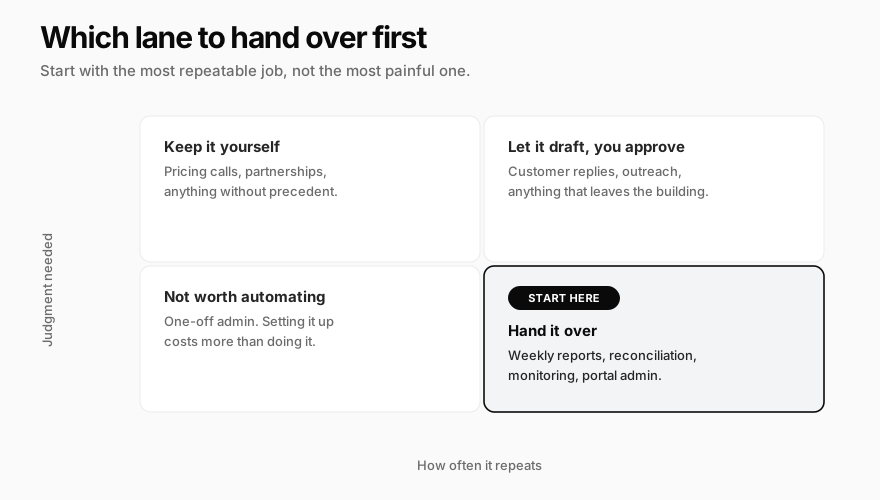
Plot any task on two axes: how often it repeats, and how much judgment it needs.
High repeat, low judgment is where you start. The process is already stable, you can check the output against something, and the payback compounds every week.
High repeat, high judgment is the draft-and-approve quadrant. Real value, but the agent prepares and you decide. Customer replies live here.
Low repeat, low judgment is a trap. Setting up a reliable agent for a task you do twice a year costs more than doing it twice a year.
Low repeat, high judgment is your actual job. Pricing decisions, partnerships, whether to fire a client. Do not automate this, and be suspicious of anyone selling you a tool that claims to.
The Five Lanes That Work
1. Recurring reporting and monitoring
The fastest payback and the least risk, because it is read-only. Pull the numbers you check every Monday, watch competitor pricing, flag when a metric moves past a threshold. Nothing to approve, nothing to break.
Insist on one thing: the run must be able to say "nothing to report." An agent with no explicit way to report a quiet week will invent findings to fill the space.
2. Drafting customer communication
Follow-ups, replies to common questions, review responses, onboarding sequences. A good draft is most of the work, and the review step is quick when the draft is genuinely close.
Feed it real examples of how you write. If you are rewriting every draft from scratch, the instructions are wrong, not the model.
3. Portal and admin work with no API
The unglamorous winner. Supplier portals, insurance forms, compliance questionnaires, marketplace back ends. These have no integration, so automation tools cannot touch them, and an agent that can drive a browser genuinely can.
4. Lead intake and qualification
Enriching an inbound enquiry, checking it against your criteria, routing it, and drafting the first response. High repeat, and the judgment is mostly rules you can write down.
Note the trigger limitation here. Not every platform can react the moment an email arrives, so many of these workflows run on a schedule rather than instantly.
5. Reconciliation and chasing
Matching payments to invoices, spotting what is unpaid, drafting the chase. Tedious, rule-based, and consistently postponed, which makes the recurring version valuable immediately.
The Lanes That Do Not Work Yet
- Relationship work. Sales conversations, partnerships, negotiation. The value is the relationship, and delegating it destroys the thing you were trying to scale
- Anything physical. Shipping, inventory counts, site visits. Software does not have hands
- Undocumented processes. If it lives only in your head, the first task is writing it down. That work is yours either way
- Genuine judgment calls. Anything without precedent. Agents execute a well-specified lane and are poor at questioning whether the lane is right
- Multi-client data separation. If you handle client data that must stay separated, check the architecture carefully. On several popular platforms all agents share one account, one set of files, and one set of logins
What It Costs, Honestly
Small business AI tooling generally runs from free tiers up to a few hundred dollars a month, against $46.60 per hour in total compensation for the average private-industry worker. Wages are only 69.9% of that; benefits are the other 30.1%.
 Two honest caveats before you run that comparison:
They are different purchases. An agent absorbs defined recurring work. A hire brings judgment, relationships, and the ability to notice problems you did not ask about. Framing agents as cheap employees sets up the disappointment.
Usage-based costs are lumpy. Most platforms meter credits or tokens, and a run that wanders costs several times an average one, as the arithmetic in what an AI agent really costs per month shows. One badly scoped overnight job can cost more than the subscription, so set spending limits before you enable the first schedule.
We worked through the full comparison in AI business builder vs hiring a team, including where hiring still clearly wins.
How to Start, Concretely
- List everything you did more than four times last month. Not what annoys you, what recurs
- Cross off anything you cannot describe in writing. Those are not ready
- Pick the one with the clearest "done." You need to be able to check the output in under a minute
- Run it manually alongside the agent for two weeks. You are testing whether it holds up on a bad day, not a good one
- Only then put it on a schedule, and have it log what it did, because platform run histories are usually shallow
The second lane takes a fraction of the time of the first. Most of the first one is discovering what your process actually is. Once there is a team around you, our guide to AI agents for business covers which department to hand over next.
Where Crevio Fits
Being straight about the scope: Crevio is not a general-purpose agent for arbitrary small business errands. Its agent has its own browser and can work through a supplier portal, but it will not reconcile your bank feed, and its focus is one job: running a business you sell through. For errands outside that job, a general agent is the right tool.
Crevio is an AI business builder. It fits the case where what you want is not a task completed but a business running: you describe what you want to sell, and the AI builds it, launches it, and works on growing it. Products, Stripe-powered checkout, subscriptions, customer records, and analytics are real features rather than context you re-supply every session.
Where it genuinely loses: no general purpose task execution, and no physical products, inventory, or shipping. It is not a Shopify replacement. Transaction fees apply on every plan (5% on Starter, 2.5% on Pro, 1% on Business), so there is no 0% tier.
Starter is free with 20 AI credits a month and 2 published products. Pro is $20/month with 1,000 credits and unlimited products. Business is $50/month with 2,500 credits, a custom domain, and unlimited seats.
Nobody's agents are fully autonomous today, ours included. What you get is a partner that automates real work and takes on more of it over time.
What Nobody Tells You
- The setup is the actual work. Writing down a process you have only ever held in your head is most of the effort, and it has value even if you never automate it
- Nobody reads the scheduled report after week three. Design for exceptions surfacing loudly rather than for diligent daily review
- Your bottleneck moves, it does not disappear. Clear the ops backlog and the constraint becomes decisions, or demand. That is progress, but it is not free time
- Approval fatigue is the silent failure. By the fortieth approval you are clicking without reading, which is the same as having no approval step at all. Approve categories, not instances
- Most of what you want is not agent work. Count the genuinely open-ended tasks on your list. It is usually two or three, and the rest is cheaper and more reliable as a plain scheduled workflow
AI Agents for Small Business FAQ
What is the best first AI agent use case for a small business?
A recurring read-only report you already compile by hand. It has no approval overhead, no blast radius if it is wrong, and it teaches you how the tooling behaves before anything is at stake. Ambitious first projects are the most common reason small businesses conclude agents do not work. We rated 16 AI agent use cases by how reliably they work today if you want the next few candidates.
Can an AI agent replace hiring someone?
It can absorb the recurring, documented part of a role, which is often more of a job than people expect. It cannot take on judgment, relationships, physical work, or accountability. Treat it as capacity rather than headcount, and see our full cost comparison for where hiring still wins.
How much do AI agents cost for a small business?
Anywhere from free tiers to a few hundred dollars a month, but the subscription is rarely the risk. Most platforms meter usage, and one poorly scoped recurring job can exceed the plan. Set account-level spending limits before enabling your first schedule.
Do I need technical skills to use AI agents?
Not usually to operate one. You do need the ability to describe a process precisely, which is a different skill and the one that actually determines whether it works. If you cannot write the process down, no amount of technical skill will save the automation. Once you can, saving it as an agent skill means you only explain it once.
Is it safe to give an AI agent access to my business accounts?
With scoping. Give it the minimum access the job needs, keep sends and spending behind approval, and check whether the platform isolates access per agent or per account, because several popular ones share files, browser sessions, and logins across every agent you create.
Delegate the boring, repeatable job first. It is the one that will still be running when the exciting one has been quietly switched off.
Related Blog Posts
- AI Business Builder vs Hiring a Team: The Honest 2026 Comparison
- AI Employee vs AI Agent: The Difference That Actually Matters
- A Team of AI Employees vs One Generalist: How to Actually Decide
- AI Tools to Build a One-Person Business: The Complete 2026 Toolkit
- Can AI Run a Business? What's Actually Possible in 2026
What will you sell today?
Describe what you want to sell — Crevio builds, launches, and grows it. Products, payments, and marketing, all on autopilot.
Start for free

