Your business,
on autopilot.
One platform for creating, running and growing your business, powered by AI.
AliExpress vs Temu: Which Is Better for Buyers, Sellers and Affiliates?





AliExpress and Temu both sell cheap products shipped from China, but they are built for different people. AliExpress works like a giant open bazaar of independent sellers. Temu works like a tightly managed, price-first shopping app. Which one is "better" depends on whether you are buying for yourself, sourcing products for a business, or looking to earn from either platform.
Here is the short version:
- Buyers who want the lowest price: Temu usually wins on headline prices and promotions.
- Buyers who want choice and seller detail: AliExpress has a deeper catalog and more visible seller ratings.
- Resellers and dropshippers: AliExpress is the more common sourcing tool, but neither is a place to build a lasting brand.
- Affiliates: both run affiliate programs, and commissions and terms change often, so check the current rules before you commit.
AliExpress vs Temu at a Glance
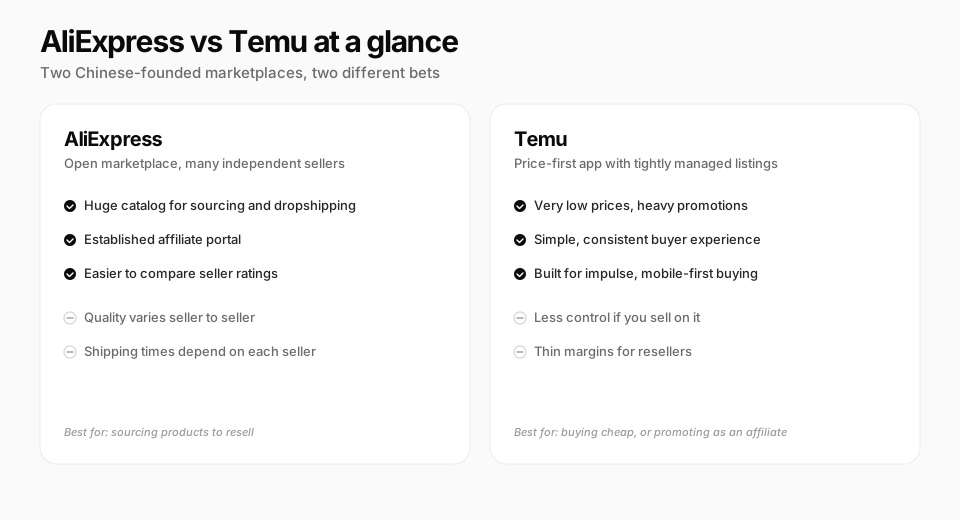
| Factor | AliExpress | Temu |
|---|---|---|
| Model | Open marketplace of many independent sellers | Managed marketplace focused on low prices |
| Owner | Alibaba Group | PDD Holdings |
| Best for | Wide selection, sourcing, niche items | Cheap everyday goods, impulse buys |
| Seller visibility | Store pages, ratings, order counts | Less emphasis on individual sellers |
| Shipping | Varies by seller and shipping method | Varies by item, often bundled into one experience |
| Quality consistency | Varies widely by seller | Varies widely by item |
| Affiliate program | Yes, through the AliExpress portals | Yes, through Temu's affiliate program |
If you only read one row, read the model. AliExpress asks you to evaluate the seller. Temu asks you to trust the platform. Neither approach guarantees quality, so the same habits apply to both: read reviews, look at real customer photos, and order a small test batch before you rely on anything.
How AliExpress Works
AliExpress launched in 2010 as the international retail marketplace of Alibaba Group. Thousands of independent sellers list products, and you buy from each store directly. That structure is the reason the catalog is so wide: you can find everything from phone cases to industrial parts, often in several variations from different sellers.
What AliExpress does well
- Selection. Niche and hard-to-find items are easier to find here than on most competitors.
- Seller signals. You can compare store age, ratings, order counts and photo reviews before you buy.
- Sourcing flexibility. Many sellers support bulk orders, custom options and repeat purchases, which is why so many stores start their supplier search here.
Where AliExpress falls short
- Inconsistent experience. Every seller has their own shipping speed, packaging and support quality.
- Time to research. The choice that makes AliExpress powerful also means you spend more time vetting listings.
- Delivery expectations. Delivery windows depend on the seller and the shipping method you pick, so read the estimate before you pay.
How Temu Works
Temu entered the US market in 2022 and grew quickly on aggressive pricing, coupons and app-based promotions. It is owned by PDD Holdings, the company behind the Chinese shopping app Pinduoduo. The experience is more uniform than AliExpress: one app, one checkout, and a strong push toward deals.
What Temu does well
- Price. Temu is built around low prices and frequent discounts, especially for small everyday items.
- Simplicity. You browse, add to cart and check out without managing relationships with dozens of stores.
- Shopper protections. Temu highlights price adjustment, return windows and refund policies at sign-in, so read the current terms for the details that apply to your country.
Where Temu falls short
- Less visibility into who made or sold the item. That makes it harder to build a repeat supplier relationship.
- Quality varies. Very low prices come with trade-offs in materials, so expect to test items before you trust them.
- Pressure to buy. The app leans on timers, spin-the-wheel promotions and limited-time deals. Decide what you need first.
Prices: Who Is Actually Cheaper?
There is no permanent winner. Temu often shows the lower price on comparable everyday goods, and AliExpress can beat it on niche items or when a seller runs a sale. Two things matter more than the sticker price:
- Total landed cost. Add shipping, taxes and any duties for your country to the item price. Import rules for low-value parcels have changed in several regions, so an old price comparison can be out of date.
- Cost of a bad order. A $3 item that arrives broken is not cheap if returning it costs more than the price.
The honest approach is to price-check the same item on both platforms at checkout, not on the listing page.
Quality, Shipping and Returns
Both platforms sell everything from decent to disappointing. A few rules make either one safer:
- Sort by reviews with photos, and read the three-star reviews first. They tend to be the most specific.
- Check the size chart and materials before ordering clothing or anything you wear.
- Never buy electronics that touch a wall socket without checking for safety certifications relevant to your country.
- Screenshot your order details and delivery estimate so you can reference them if something goes wrong.
For returns, policies differ by seller on AliExpress and follow the platform's rules on Temu, and both change. Read the return terms on the day you buy, not the day you need them.
AliExpress vs Temu for Resellers and Dropshippers
If you sell products online, the platforms play different roles.
AliExpress is a sourcing tool. Many dropshipping stores start by finding suppliers here, then move to a dedicated supplier once a product proves itself. Our guide to the best dropshipping products covers what to look for once you are past the idea stage.
Temu is mostly a consumer app. It is not designed to be your wholesale supplier, and its low prices leave thin margins for anyone who wants to resell.
Whichever you use, the risk is the same: you rent someone else's supply chain and someone else's brand. Product listings can vanish, prices can move overnight, and your customers never hear from you directly. Sellers who last tend to build their own audience and their own store, then treat marketplaces as one input, not the whole business.
Making Money From AliExpress or Temu as an Affiliate
If you would rather recommend products than stock them, both platforms run affiliate programs. You share tracked links, and you earn a commission when your audience buys through them. AliExpress runs its program through its affiliate portal, and Temu runs its own program for creators and publishers.
Commission rates, cookie windows and eligibility rules change regularly and differ by category and country, so treat any number you read in a blog post (including this one) as a starting point and confirm it on the official program page.
Three habits separate affiliates who earn steadily from those who don't:
- Recommend fewer products, with real detail. Buyers trust photos of the product in use, not generic lists.
- Match the platform to the audience. Bargain hunters respond to Temu deals. Niche hobbyists often prefer AliExpress selection.
- Own the relationship. Send readers to your email list or your own page first, then to the marketplace link. If a program changes its terms, you still have your audience.
If you want a broader look at earning by recommending, see our post on Pinterest affiliate marketing.
Which One Should You Choose?
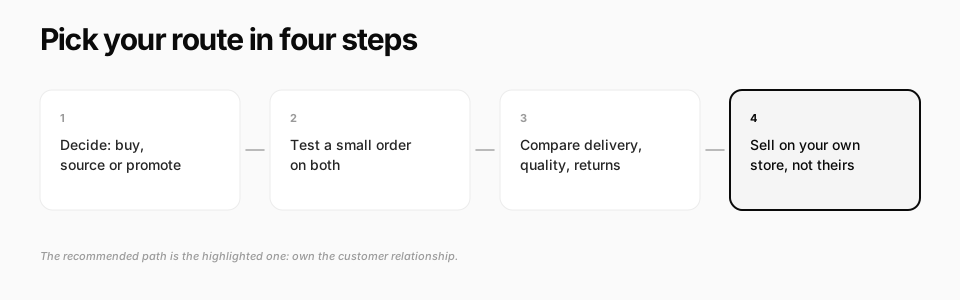
Use this shortcut:
- You are shopping for yourself and want the lowest price: try Temu, then compare the same item on AliExpress.
- You want a specific or unusual item: start with AliExpress.
- You are testing product ideas for a store: use AliExpress to research and order samples.
- You are an affiliate: pick the one your audience already shops on, and read the current program terms.
- You are building a business: use both as research tools, but sell through a store you control.
What Nobody Tells You
- Reviews can be gamed on any marketplace. Look for reviews with photos and specifics.
- Your sample order is your best data. One $20 test purchase teaches you more about a supplier than an hour of scrolling.
- The cheapest listing often has the worst support. If you plan to reorder, pay a little more for a seller who answers messages.
- Margins disappear fast. If your product is one search away on Temu, customers will notice.
Build Something You Own With Crevio
Marketplaces are great for finding products and terrible for owning a customer relationship. If you want a store, a brand and a payment flow that belong to you, Crevio is an AI business builder: you describe what you want to sell and it helps build, launch and grow it, with an AI-built storefront, Stripe payments and customer management in one place.
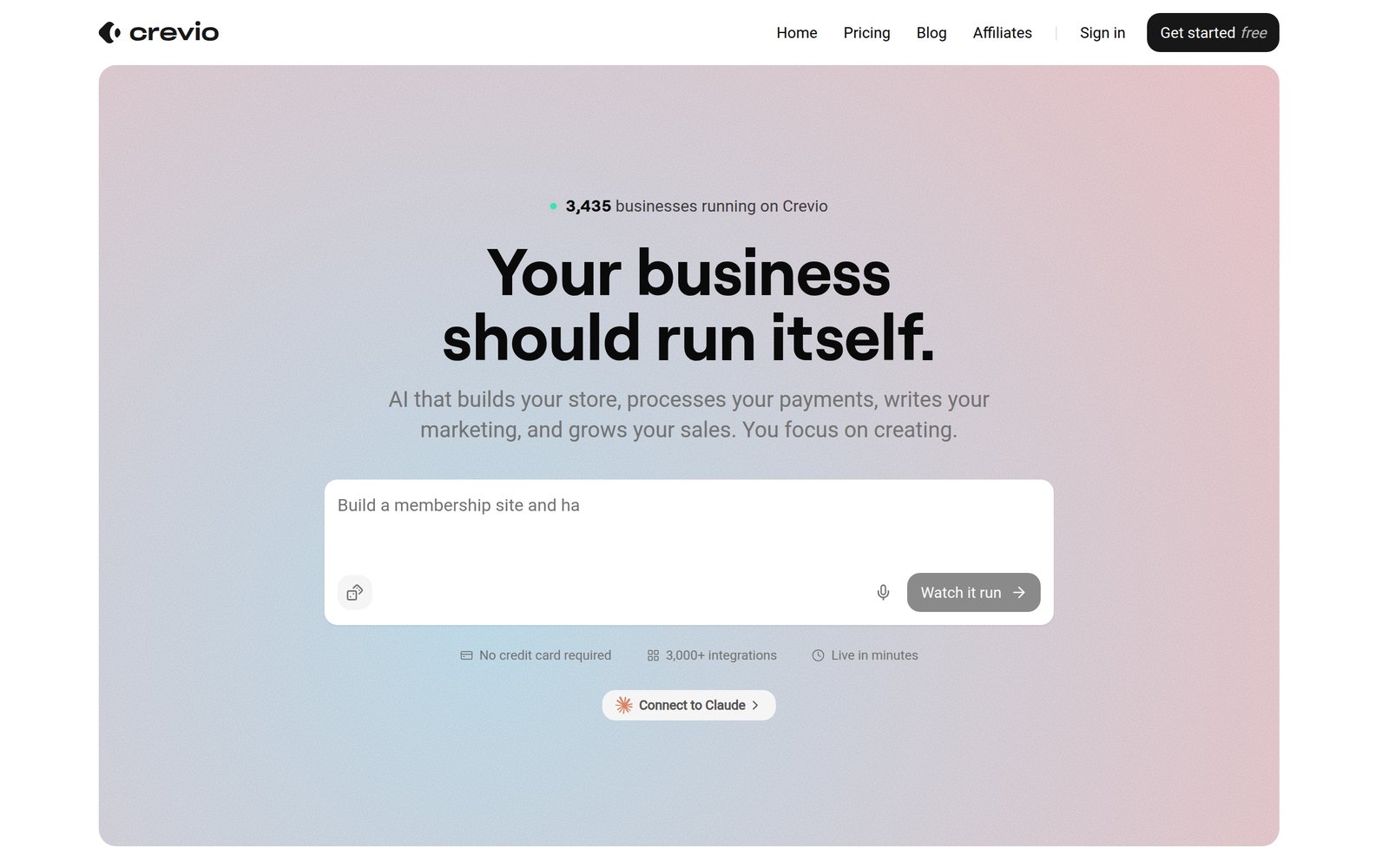
Crevio focuses on digital products, websites and service businesses. It does not handle physical shipping or inventory, so it is not a replacement for a dropshipping supply chain. What it does give you is a home for your brand, your audience and your digital offers. You can start on the free plan, which has a 5% transaction fee, and move up to lower fees as you grow.
FAQ
No. They are separate companies with different models. AliExpress is owned by Alibaba Group and connects you with many independent sellers. Temu is owned by PDD Holdings and runs a more managed, price-focused experience.
AliExpress is the more common choice for finding suppliers because of its catalog and seller detail. Temu is built for shoppers, not suppliers. In both cases, test samples before you promise delivery times to your own customers.
Neither is automatically safer. Check reviews with photos, read the return policy on the day you order, and use a payment method with buyer protection.
Yes, both offer affiliate programs. Rates and rules change, so confirm the current terms on each program's official page before you plan around them.
Related Blog Posts
What will you sell today?
Describe what you want to sell — Crevio builds, launches, and grows it. Products, payments, and marketing, all on autopilot.
Start for free